The seating chart has a reputation it does not deserve. It is a puzzle, and puzzles have methods. Done in the right order, on the right day, with the right table shapes, it takes an evening. Done the way most couples do it, on a Tuesday six weeks out with a spreadsheet and a glass of wine each, it takes the six weeks.
When to start
After the replies are in, and not before. A plan built at three months on a guess is a plan built twice. Close the list, get the final count, and then sit down once with the floor plan and the list side by side. Two weeks out is the usual moment, and the caterer needs the final table numbers around then anyway.
The order
Place these first, in this order
The top table, or the sweetheart table
Decide the format first. A sweetheart table for two frees you from choosing which parents sit where and is the single most calming decision in the chart.
The parents
Each set at their own table with their own people, close to the front. Divorced parents at separate tables, both near the couple, equal distance if it matters to anyone.
The wedding party
Together, with partners, near the front. Or split across tables to seed the room with people who know everyone.
The guests who know no one
Place them next, deliberately, at tables with the warmest people you know. They are the reason the chart exists.
Everyone else, by group
Friends from one place together, family by branch, colleagues together. Fill each table to eight or ten and stop.
Table shapes
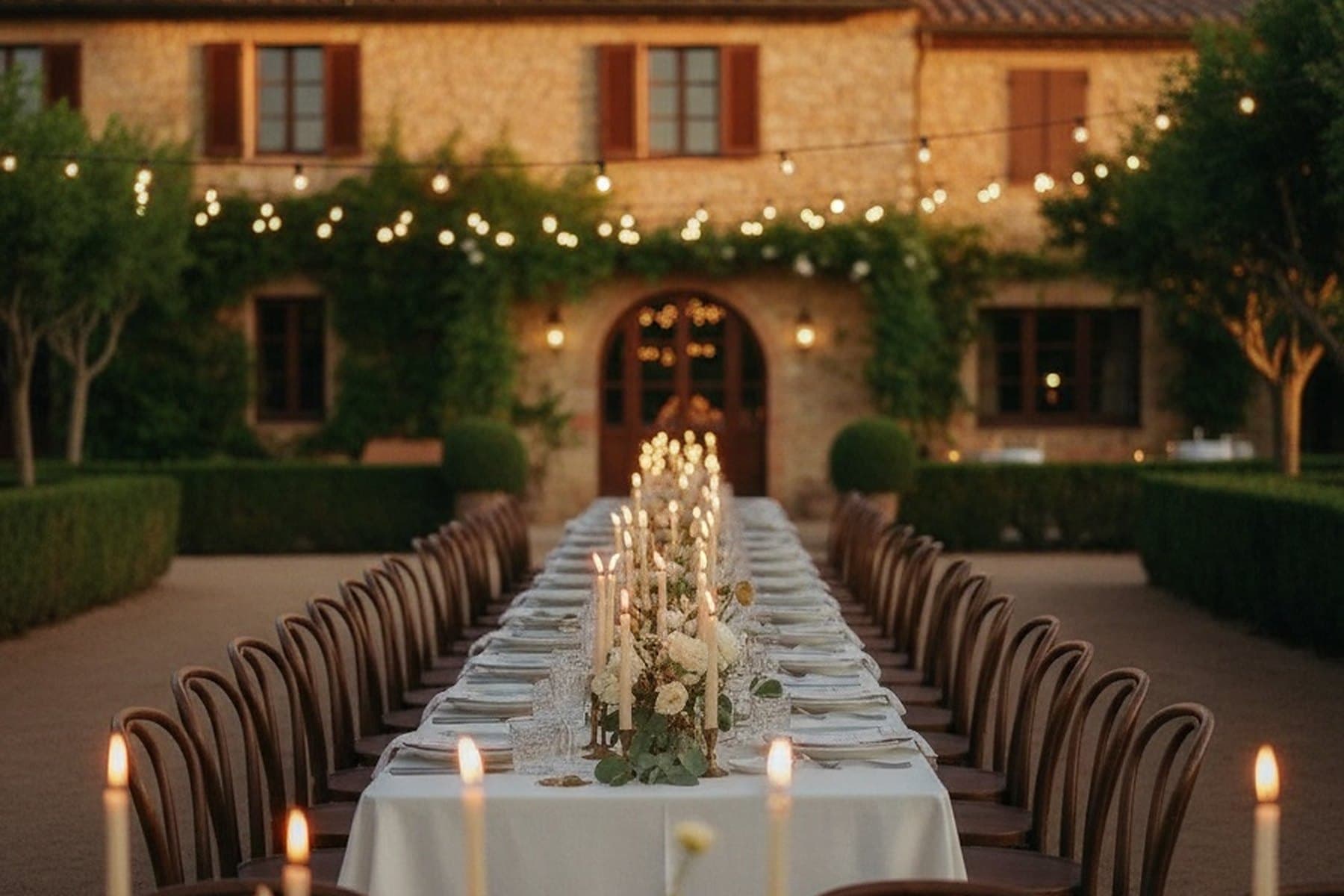
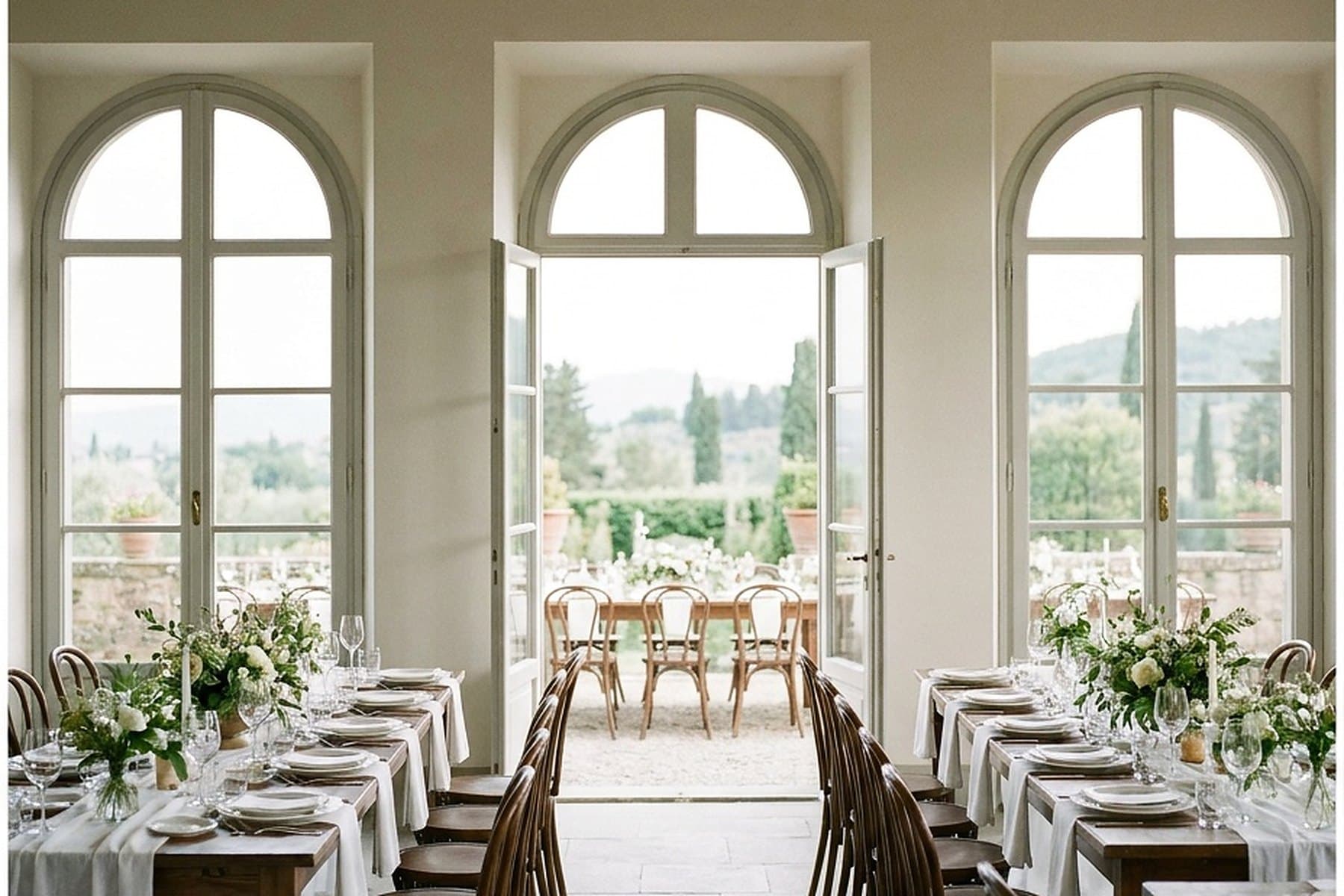
Long tables are easier to seat than rounds: guests can talk across and along, and a group of twelve does not have to be split into eight and four. Rounds of eight are the most sociable round. Rounds of ten are the most common and the hardest to talk across. If the venue offers a choice, choose long, and if it does not, choose eight.
The two rules
Nobody sits with someone they would cross a room to avoid
Ask both families the one question: is there anyone who should not be at the same table. Then honour every answer without discussion.
Every guest knows at least one other person at the table
If you cannot find that person, move the guest, not the table.
Sweetheart table, parents, wedding party, the people who know no one. Then it is just sorting.
Tools
A printed floor plan and sticky notes work, and have for decades. A shared tool works better when there are two of you doing it from two places, and when the caterer wants a version by table. UNSTAGED's seating chart takes the guest list you already have, drags guests between tables, and exports the version the venue needs, and both of you can move people from the sofa.
Start late, place the hard tables first, and seat by rule. A seating chart is an evening, not a season.
— The UNSTAGED Studio
Planning your own wedding? Try UNSTAGED free for seven days.
Start free trial