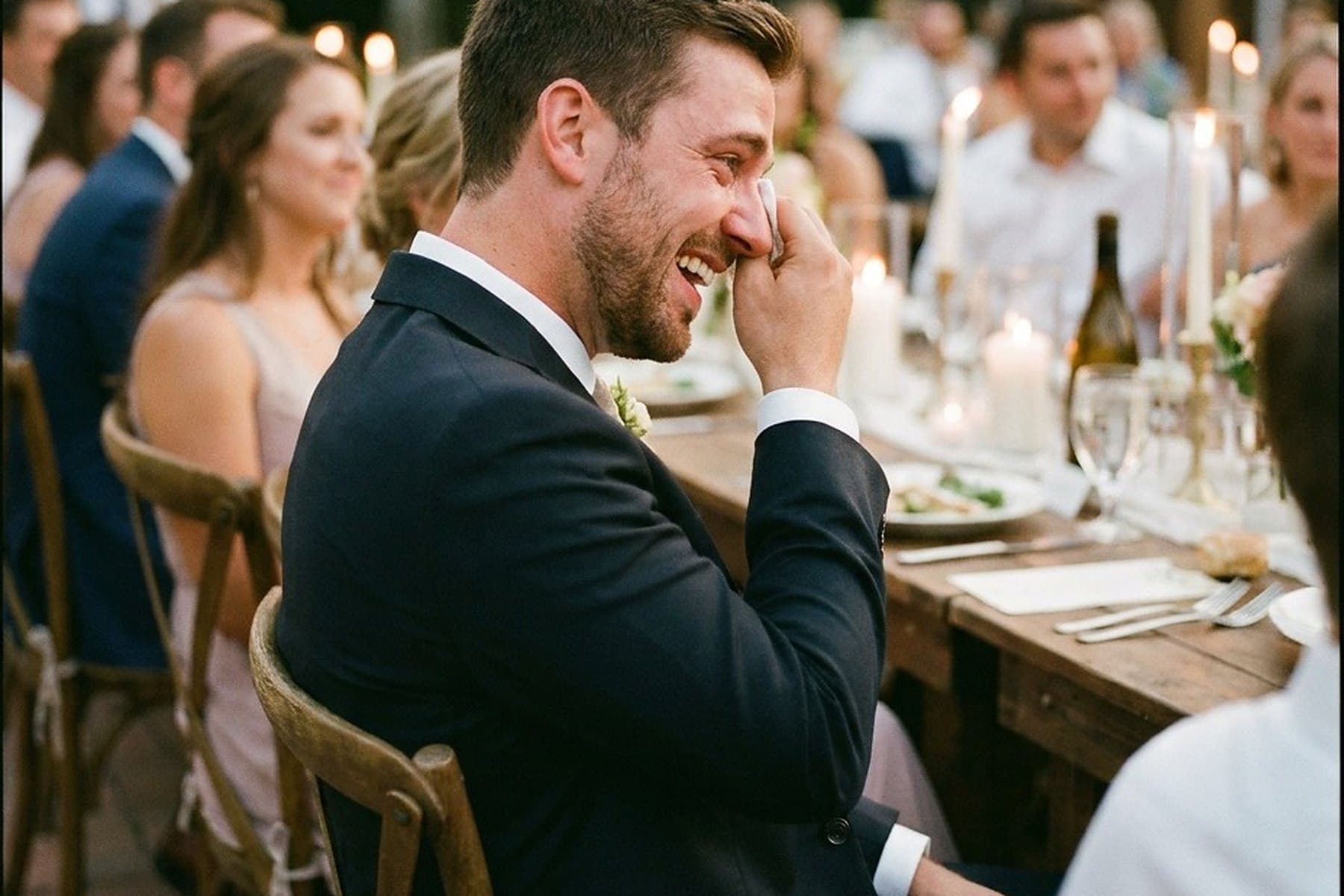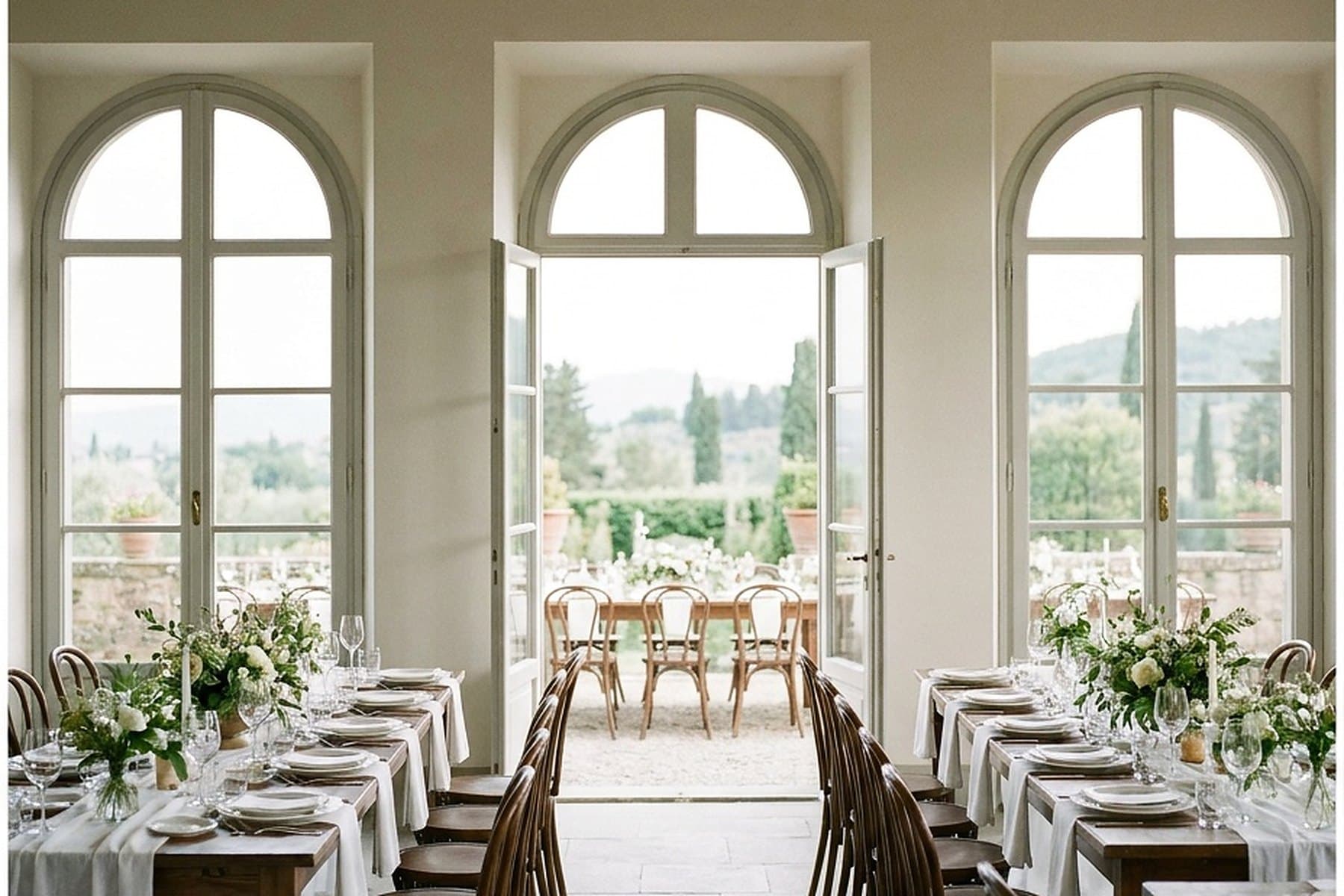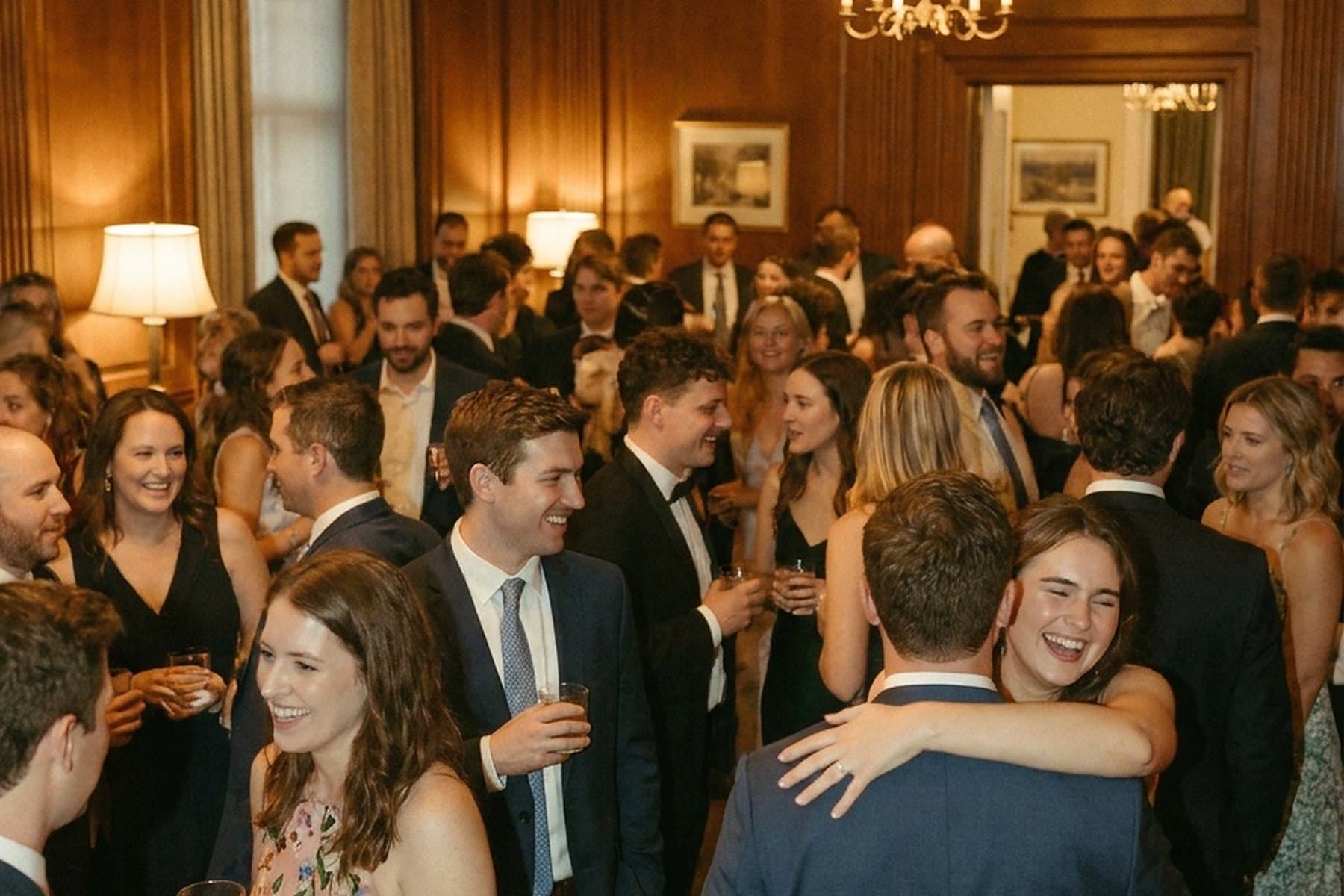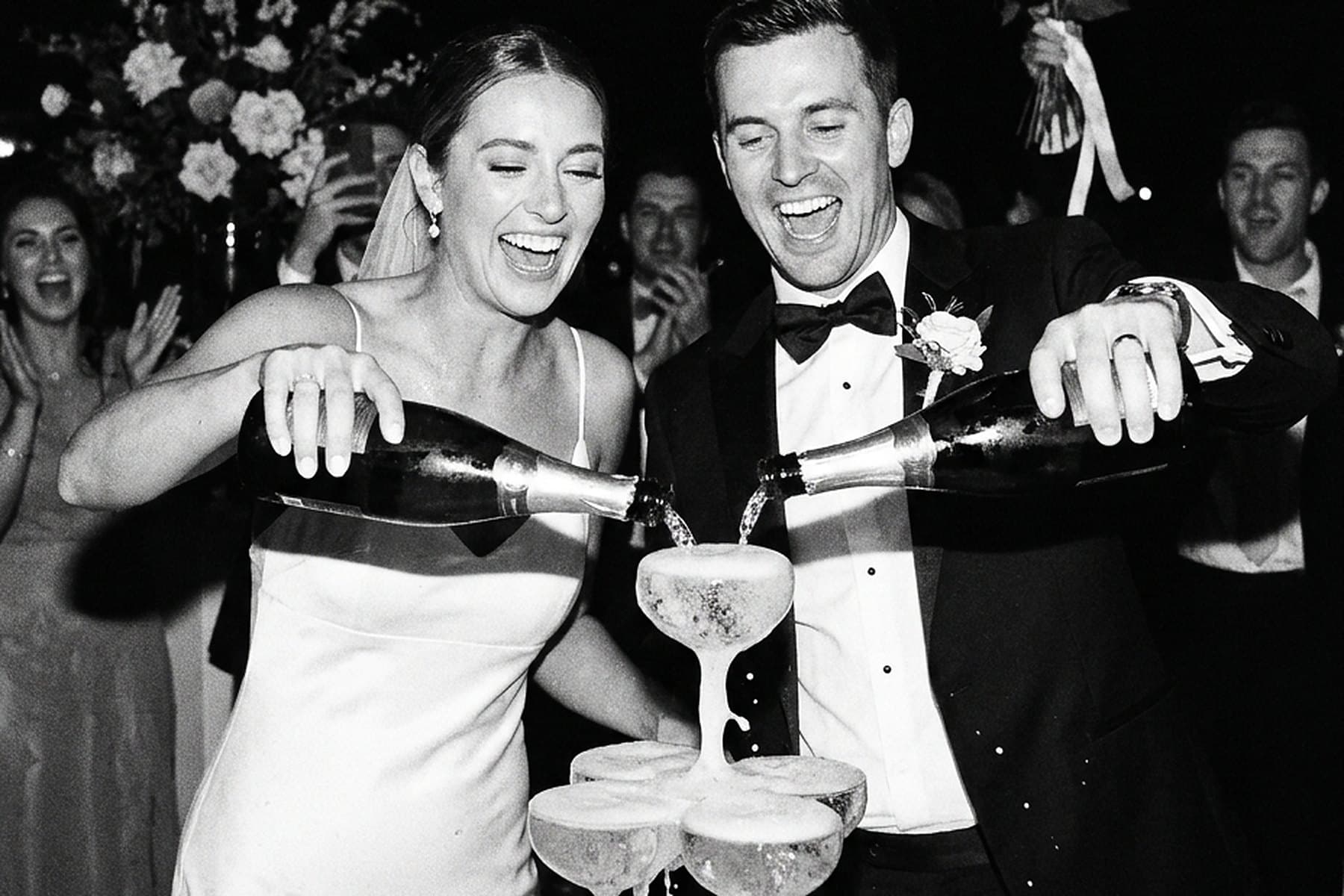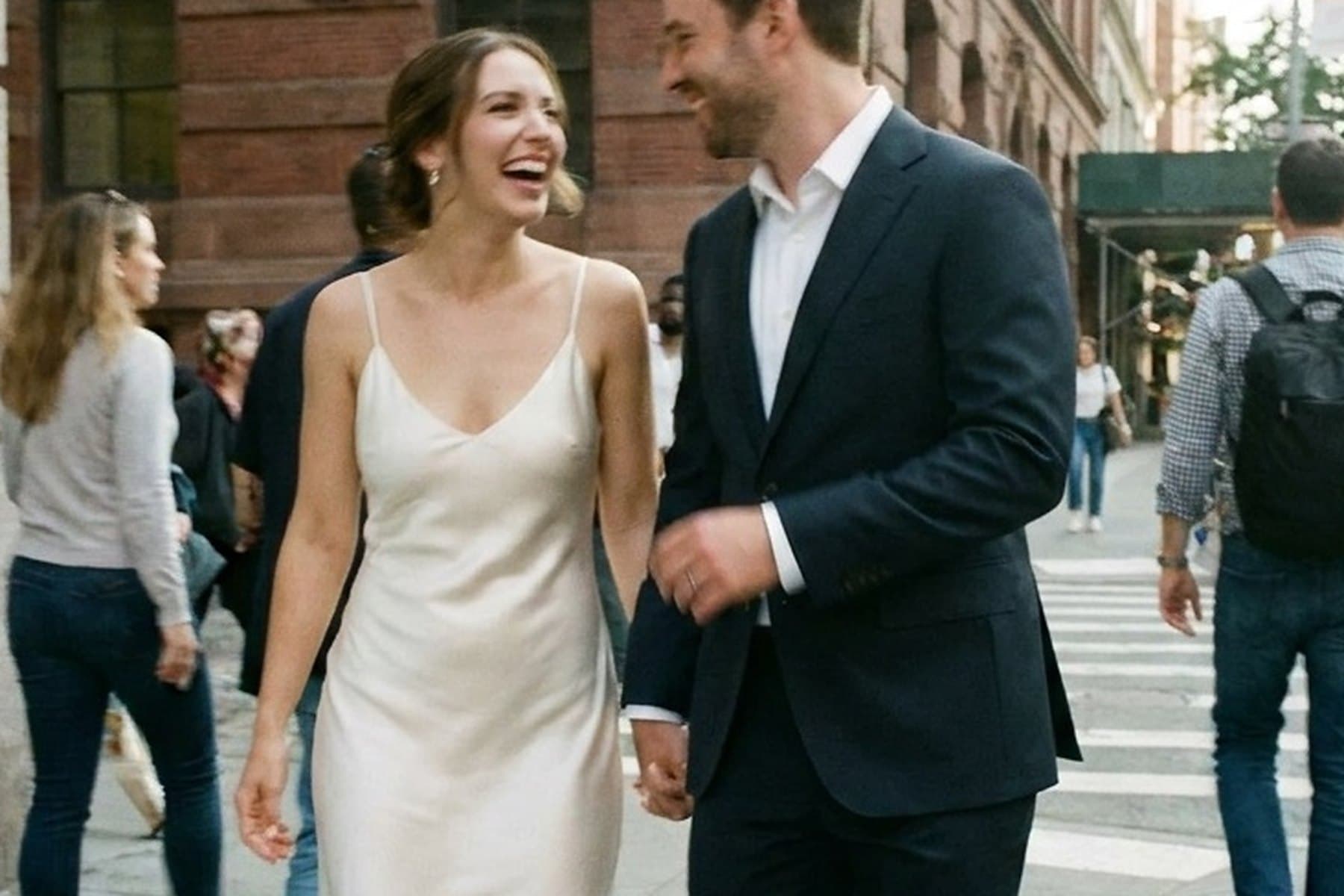
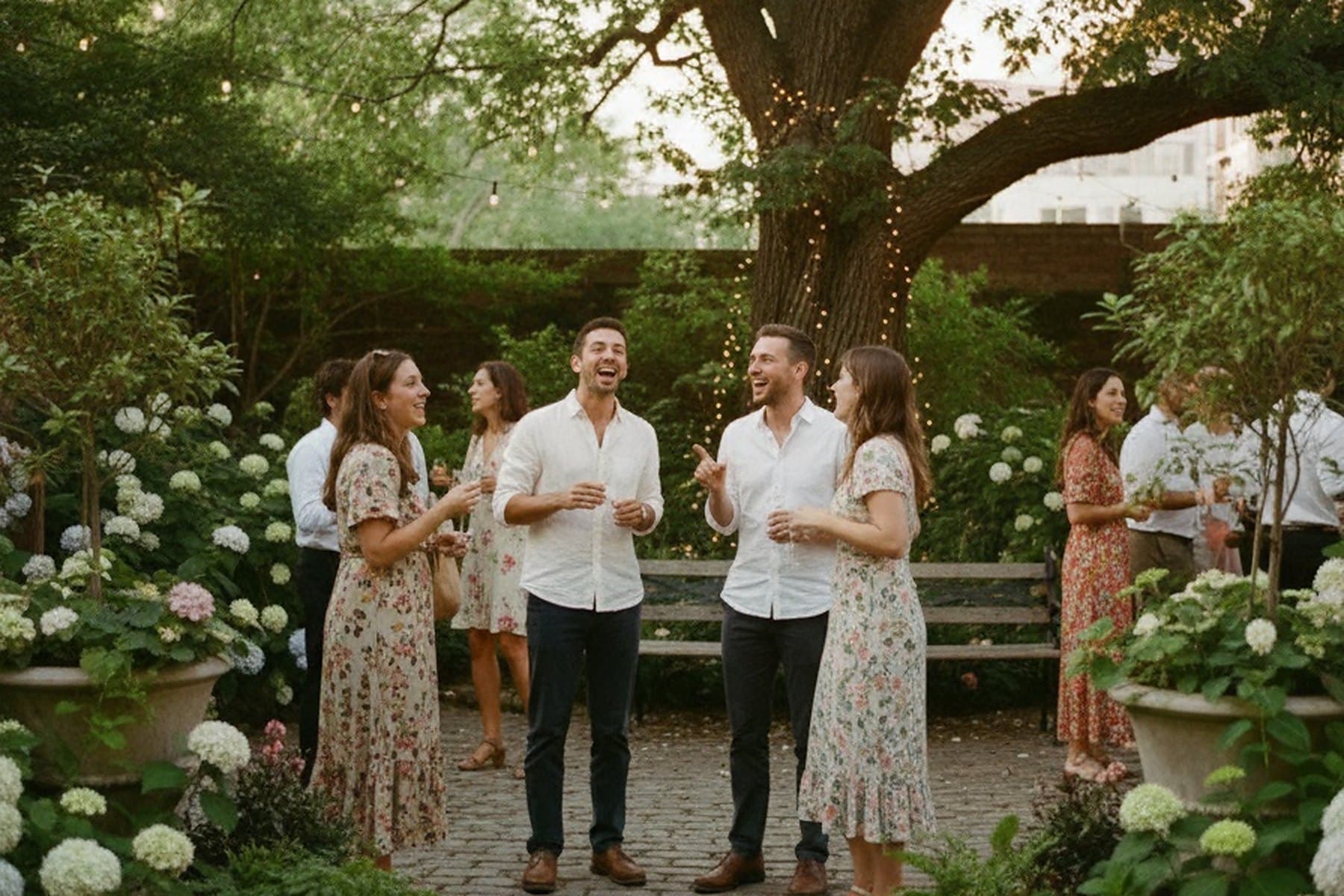
A small wedding is not a large wedding with fewer people. It is a different format, with its own venues, its own budget shape and its own set of things that become possible only when the room is small. The mistake couples make is planning it like a big wedding scaled down: the same ceremony, the same top table, the same first dance, in a room that would rather be a dinner.
What small makes possible
The things a large wedding cannot do
A restaurant
The private room of a restaurant you love is the best small-wedding venue there is. The food is already good, the room is already dressed, and there is no catering quote.
One long table
Everyone at one table, the couple in the middle. No seating chart, no top table, no one at the back.
A real conversation with every guest
The thing couples at a two-hundred-person wedding regret most is not having spoken to half the room. At forty, you speak to everyone twice.
A better everything
The photography, the food, the wine, the dress. The same total spread over a quarter of the guests is a different order of wedding.
A weekday, or a lunch
Small weddings fit into a Friday lunch, a Sunday afternoon, a Thursday evening. The venues that suit them are often cheapest then.
Venues that suit it
Restaurants with private rooms, the upstairs of a good pub, a house with a garden, a registry office and a walk to lunch, a townhouse, a gallery, a boat, a villa abroad with rooms for everyone. What does not suit it is a wedding venue built for a hundred and fifty, where forty people will look like a cancellation.
The budget shape
Food and drink stay the biggest line, but the venue line often disappears into it, and the lines that scale with headcount collapse: stationery, favours, chairs, the cake, transport. What is left goes to the things that do not scale: the photographer, the dress, the flowers on the one table, the wine. A small wedding on the same total as a large one is a wedding where every line is the best version of itself.
What to keep and what to drop
Keep the ceremony, the toasts and the photographs
The three things that make it a wedding rather than a dinner.
Keep one moment of ritual
A first dance, a cake, a reading. One. It marks the day as the day.
Drop the running order
A small wedding does not need an MC, a receiving line, a bouquet toss or a grand entrance. It needs a good table and a long evening.
Drop the plus-one rule
At forty guests, everyone was chosen. Plus-ones for partners you know; no others.
The room is small. Let it be a dinner. The wedding is in the people, and there are exactly as many as you wanted.
The one mistake
Apologising for it. A small wedding announced as a small wedding, with a guest list that says so and a day designed for its size, is the wedding most guests will remember longest. One announced as the wedding you could not afford, with a room half full and a running order borrowed from a bigger day, is the version that feels small. The difference is entirely in the planning, and none of it costs anything.
Plan a small wedding as a dinner with a ceremony in it, not a large wedding with the middle taken out. Guests can tell, and they prefer the first one.
— The UNSTAGED Studio
Planning your own wedding? Try UNSTAGED free for seven days.
Start free trial