Earrings are the one piece of wedding jewellery that appears in every photograph. The necklace is under the veil half the time and the bracelet is under a sleeve. The earrings are next to your face in every frame, which is why they should be chosen last, against the finished hair and the actual neckline, and not from a website in the week you get engaged.
Pearl, silver and crystal only. Gold is a lovely metal and the wrong one for a white dress in most light, where it reads as yellow. The pairs below are ordered by how much they do: a stud first, then drops, then the two statement pairs that want a bare neck and nothing else.
One · Pearl, quietly
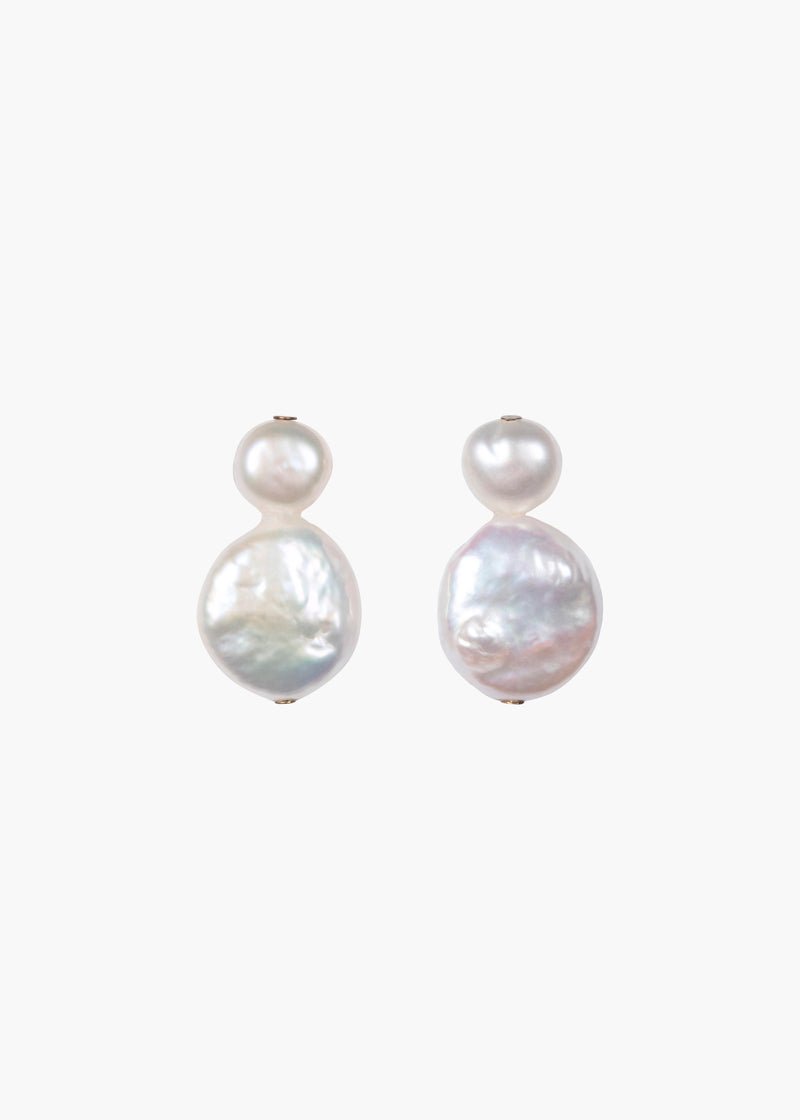
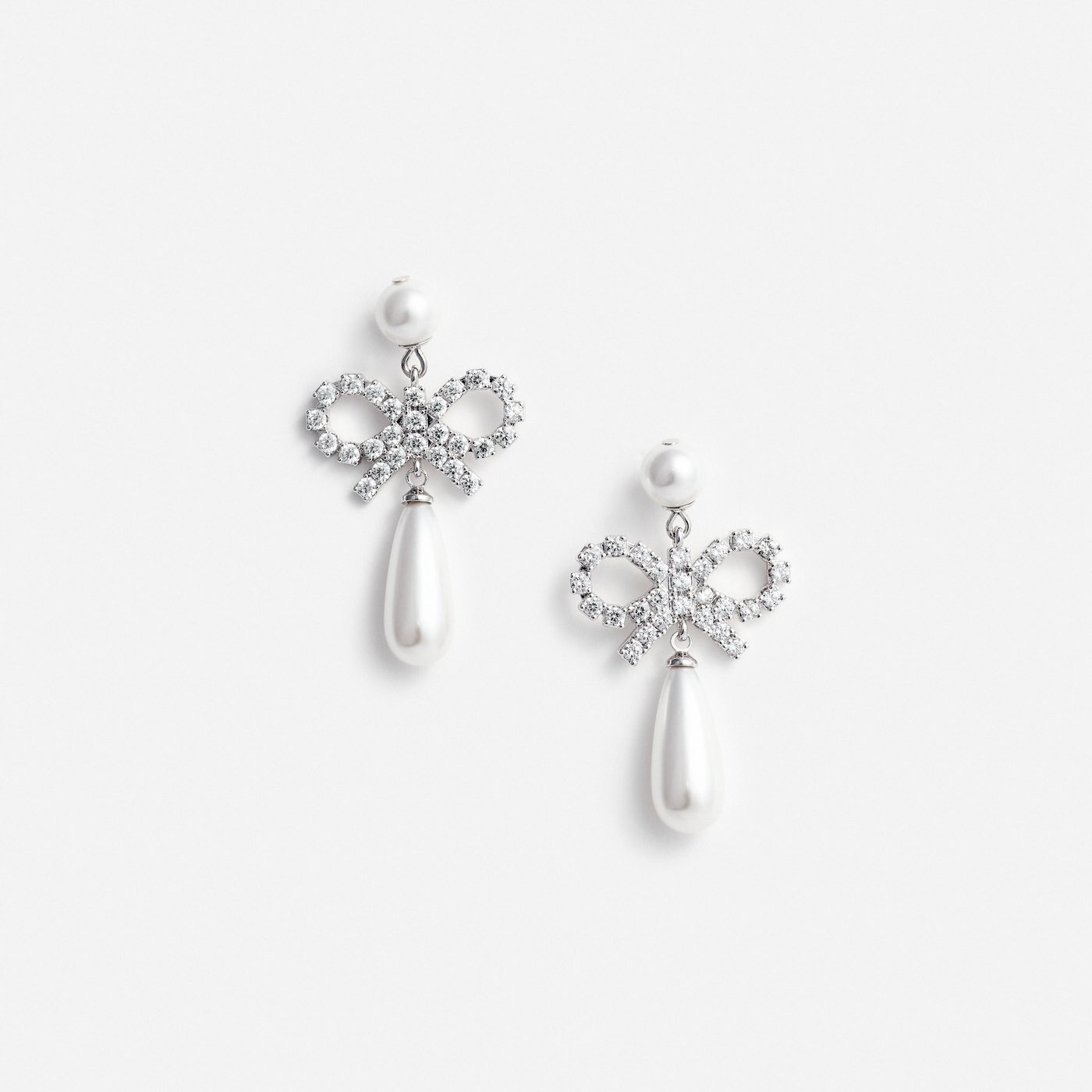
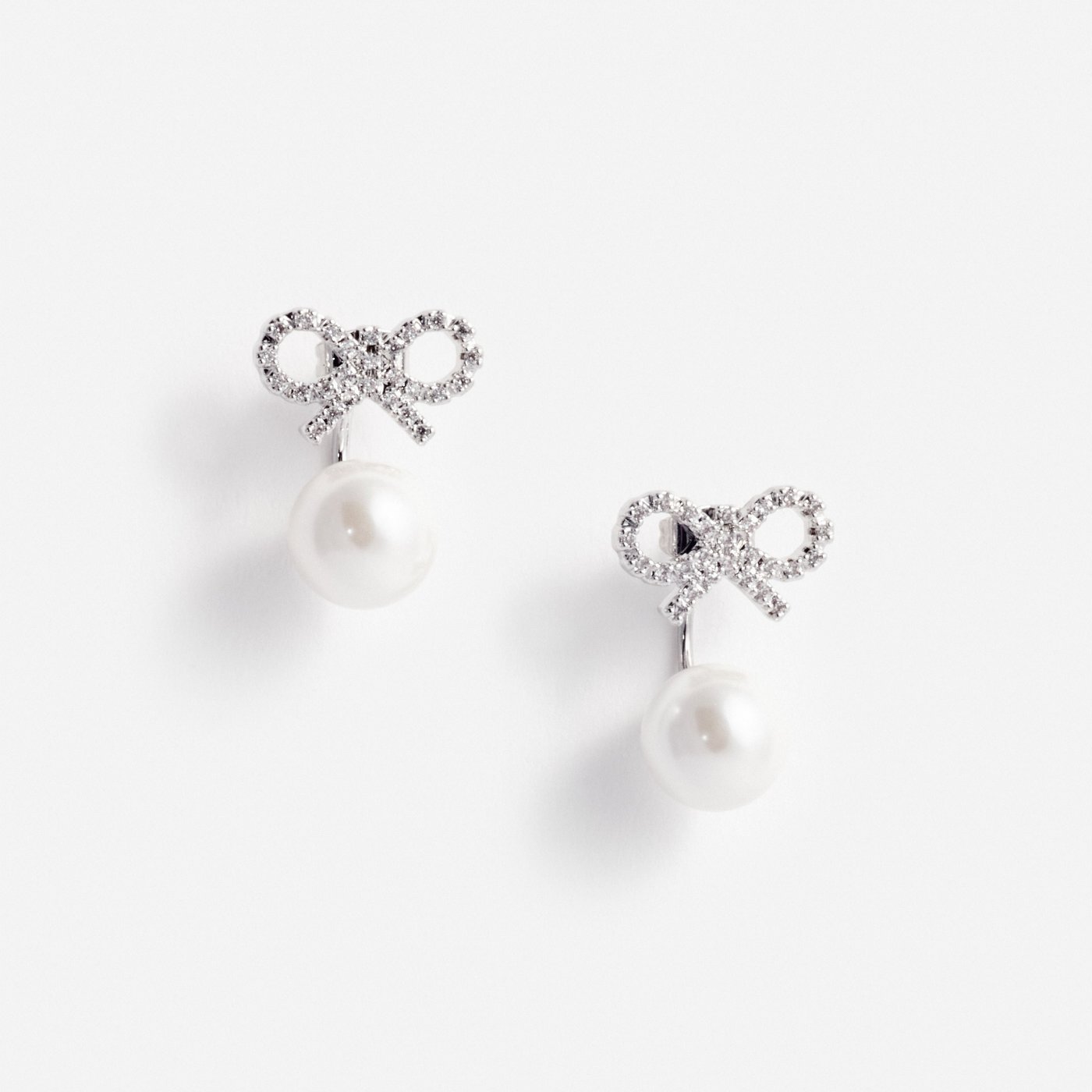
Jennifer Behr's Rita is the pair that works with everything: two pearls, one above the other, that sit close and catch light without asking for it. Self-Portrait's bow droplets are the opposite instinct, a bow above a pearl, and they belong with a plain dress and hair pulled back. With a bow already on the gown they are too much. That is not a criticism of either bow. It is a count.
Two · Silver and crystal
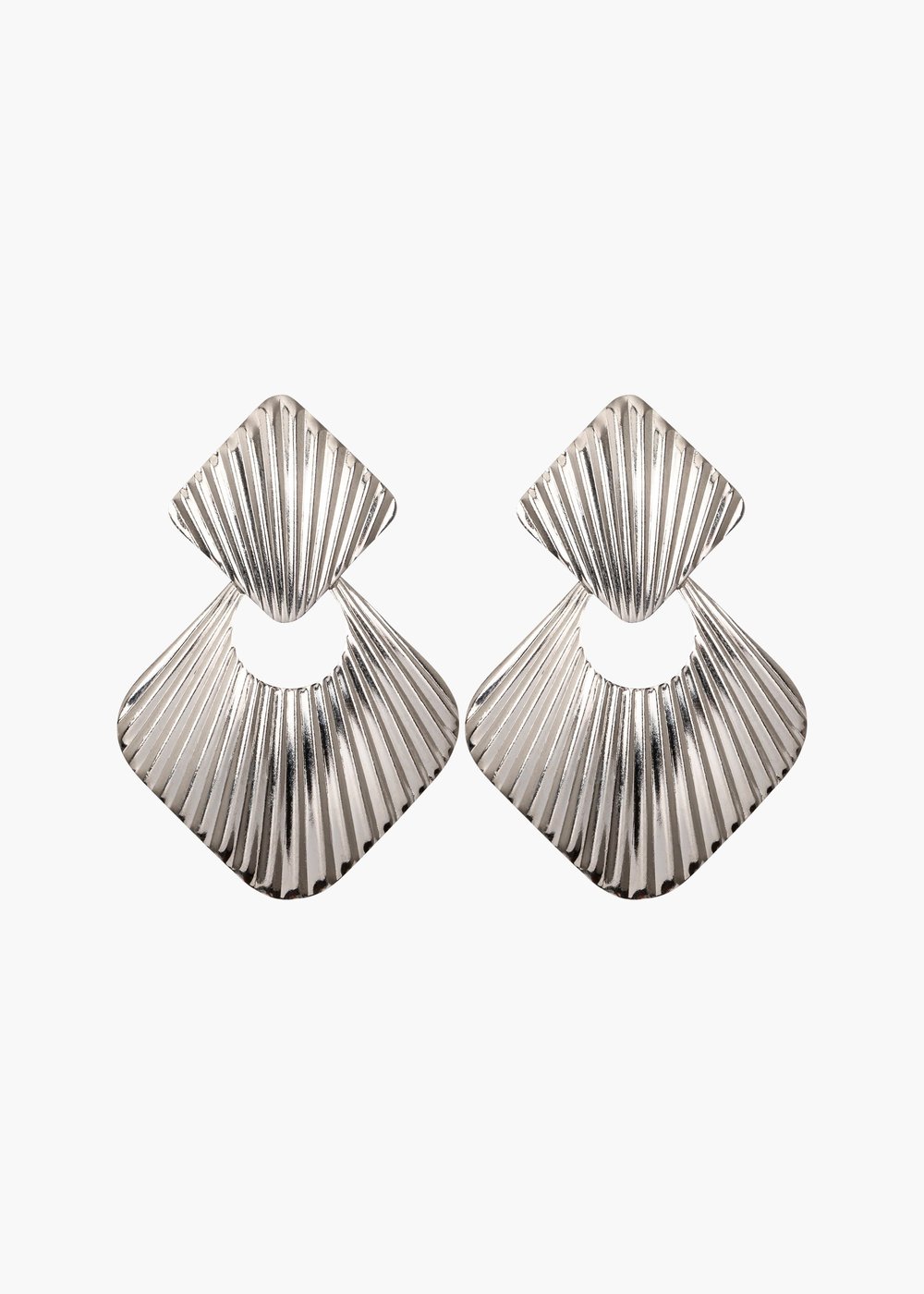
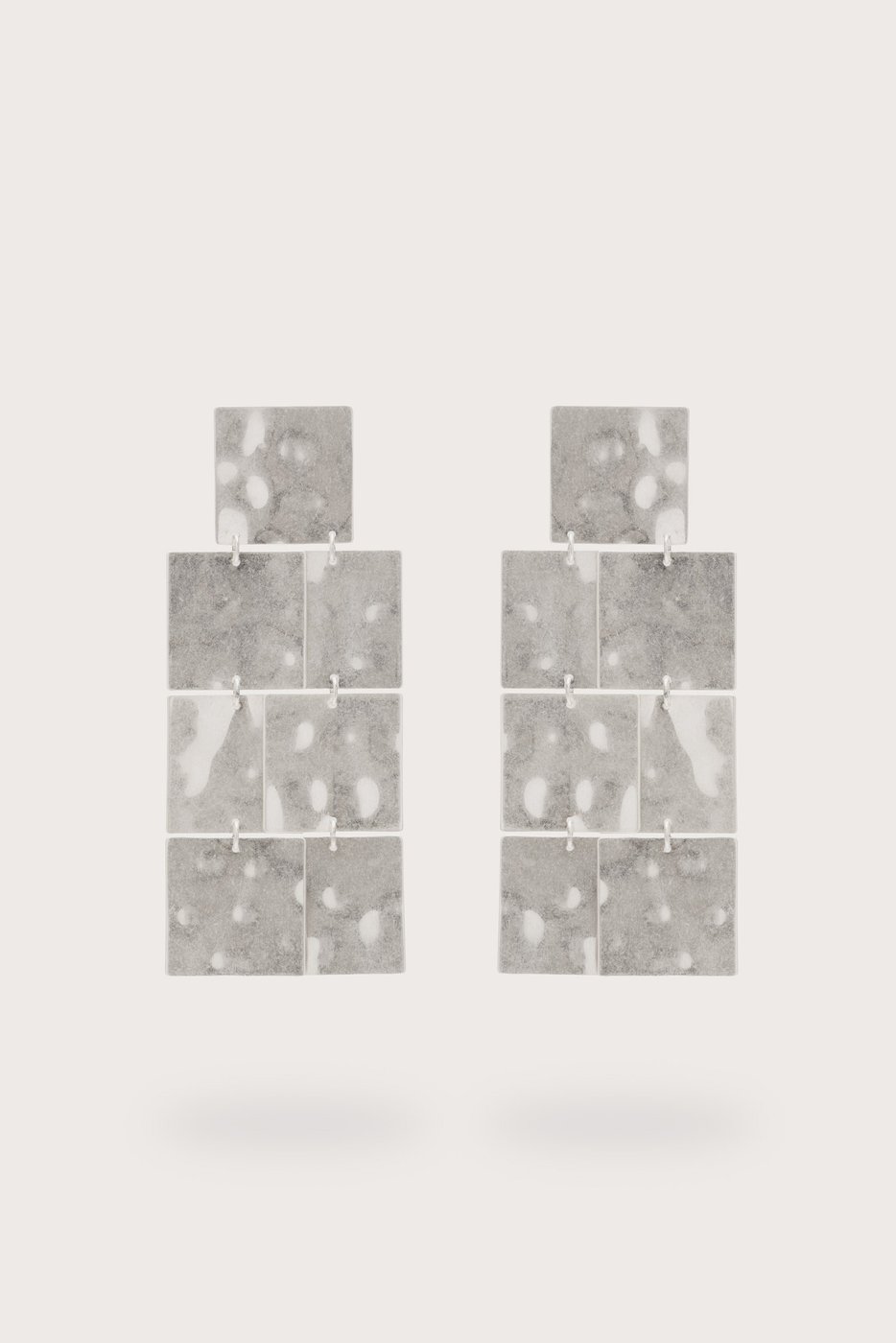
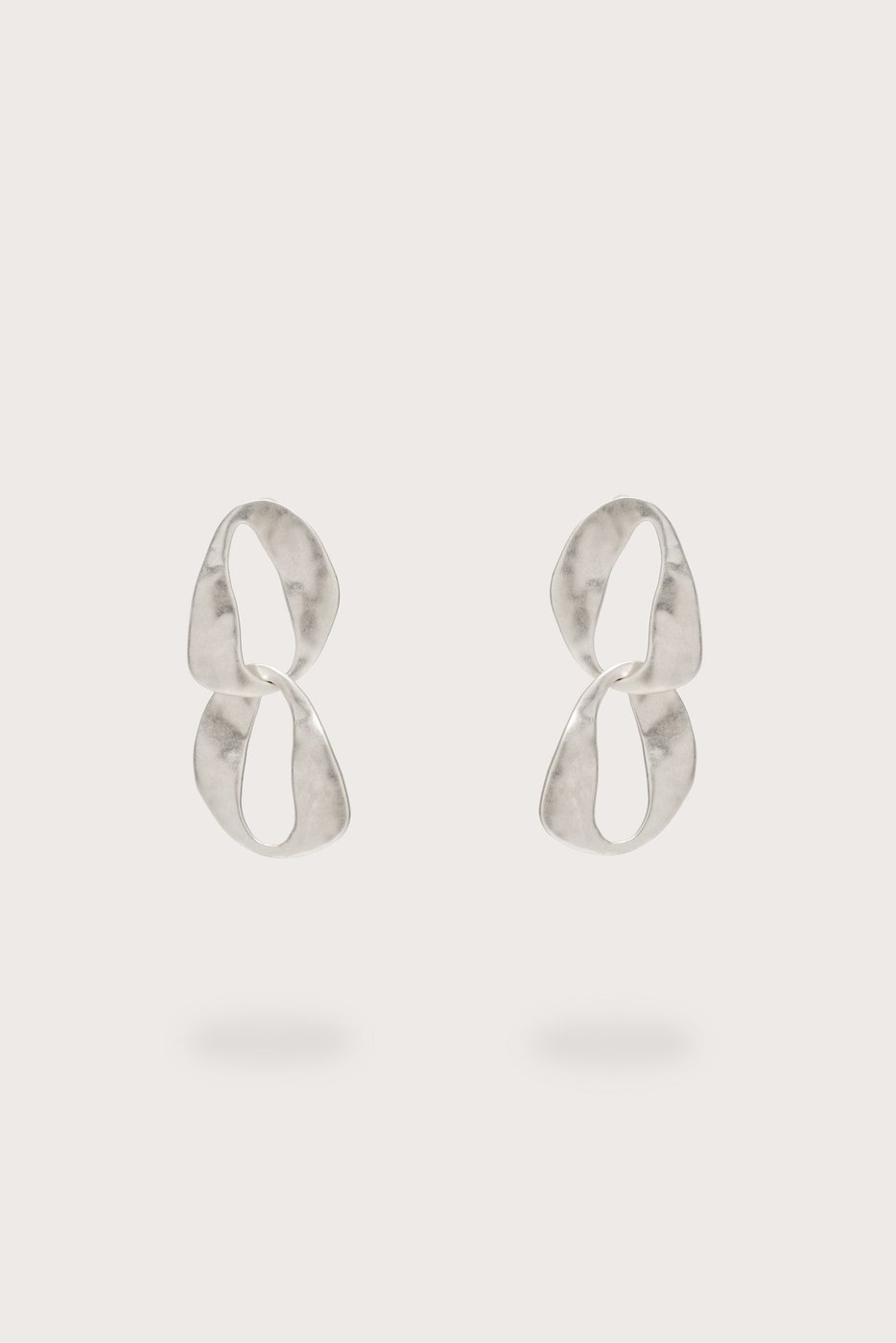
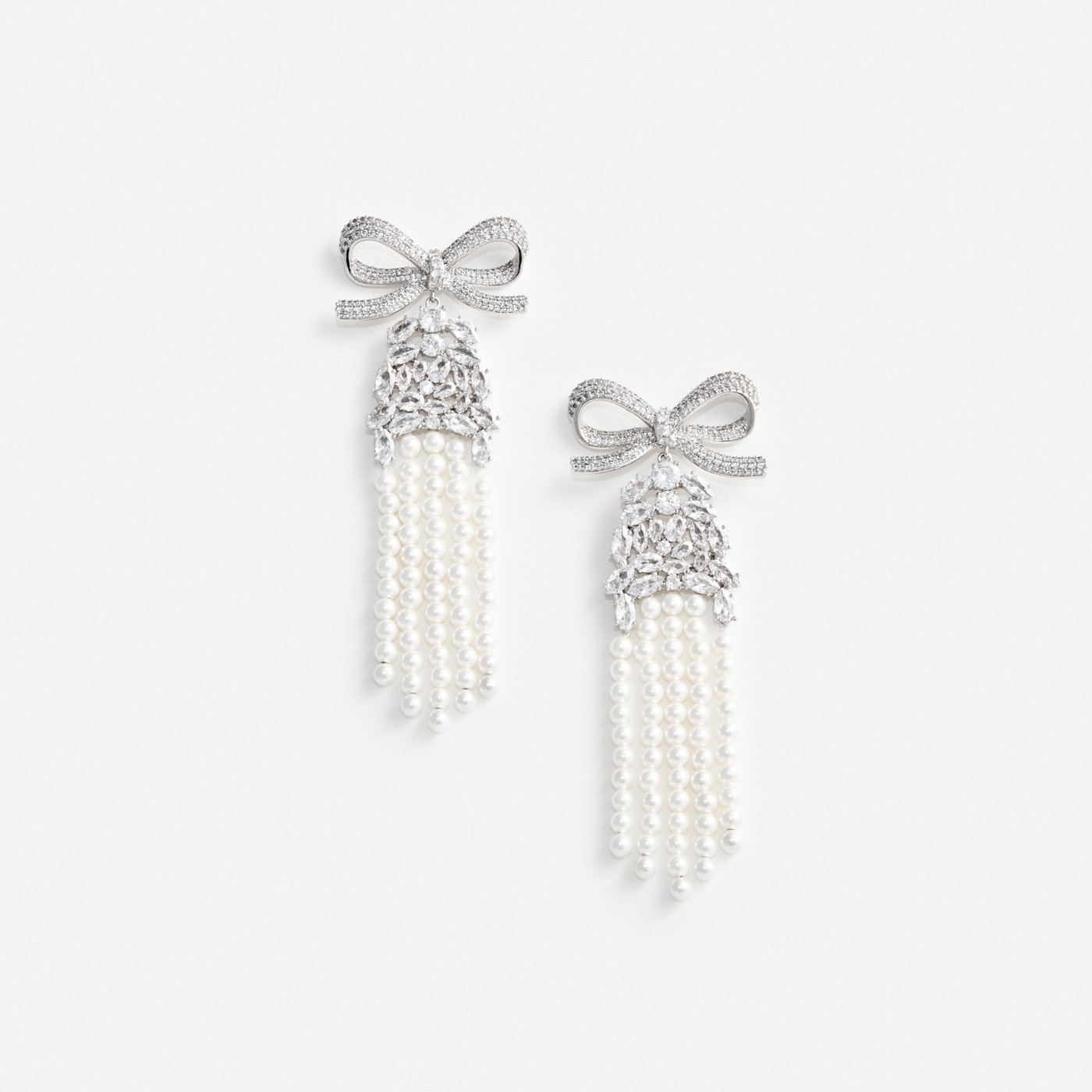
Antique silver photographs better than bright silver, which flares under flash. Cult Gaia's are sculptural rather than sparkling: they read as shape, not shine, and they suit a modern gown where a crystal drop would look like it wandered in from another wedding. The Self-Portrait crystal bow is the exception, and the most bridal pair here. Wear it with a strapless neckline and let it be the only thing.
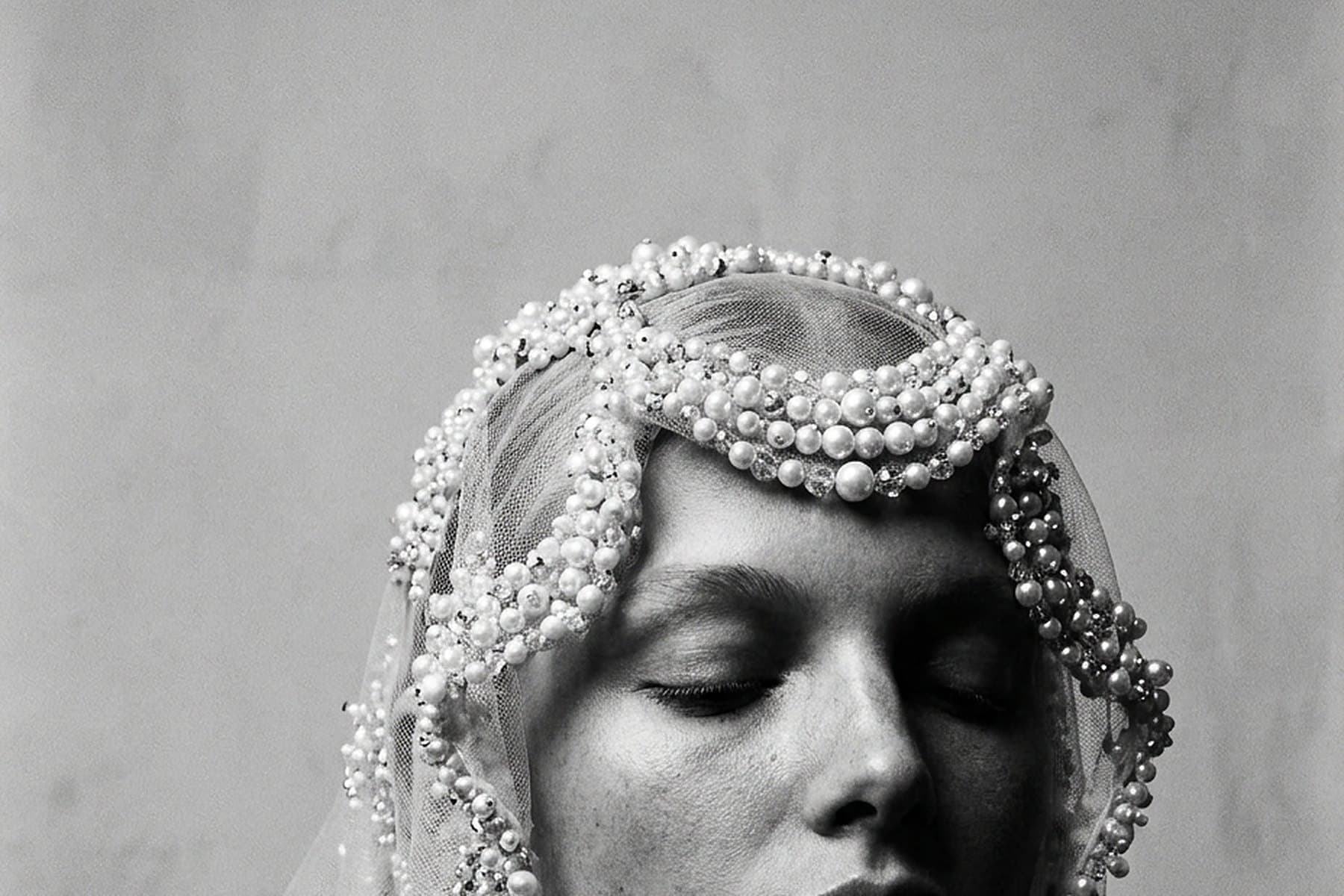
If the veil is a Juliet cap or a blusher, the earrings disappear. Choose studs, or choose the veil. Both is a photograph of tulle.
Try the earrings on with your hair up and with it down, in daylight, and take a photograph of both. Hair changes the scale of an earring more than the dress does, and the hair trial is usually the first time you find out.
A pearl drop, hair up, nothing at the neck. It has not been improved on, and nobody has stopped trying.
— The UNSTAGED Studio