Fifteen years in, and I've stopped counting the weddings. What I haven't stopped doing is noticing the patterns: the things that go quietly right, and the things that go quietly wrong, again and again, across every budget and every season. Very little of it is about the details couples spend the most time on.
New planners think the job is control. Hold everything tightly enough and nothing slips. It took me years to learn the opposite: the best-run weddings are the ones with the most air in them. The skill isn't in managing every moment. It's in knowing which moments to leave completely alone.
The timeline is a kindness, not a cage
A good timeline exists so that no one has to think. Not so that everyone performs on cue. When I build one now, I'm not choreographing the day. I'm protecting it. The couple should feel held by it without ever seeing it. If a bride is watching the clock, the timeline has already failed, however precise it looked on paper.
Build in nothing
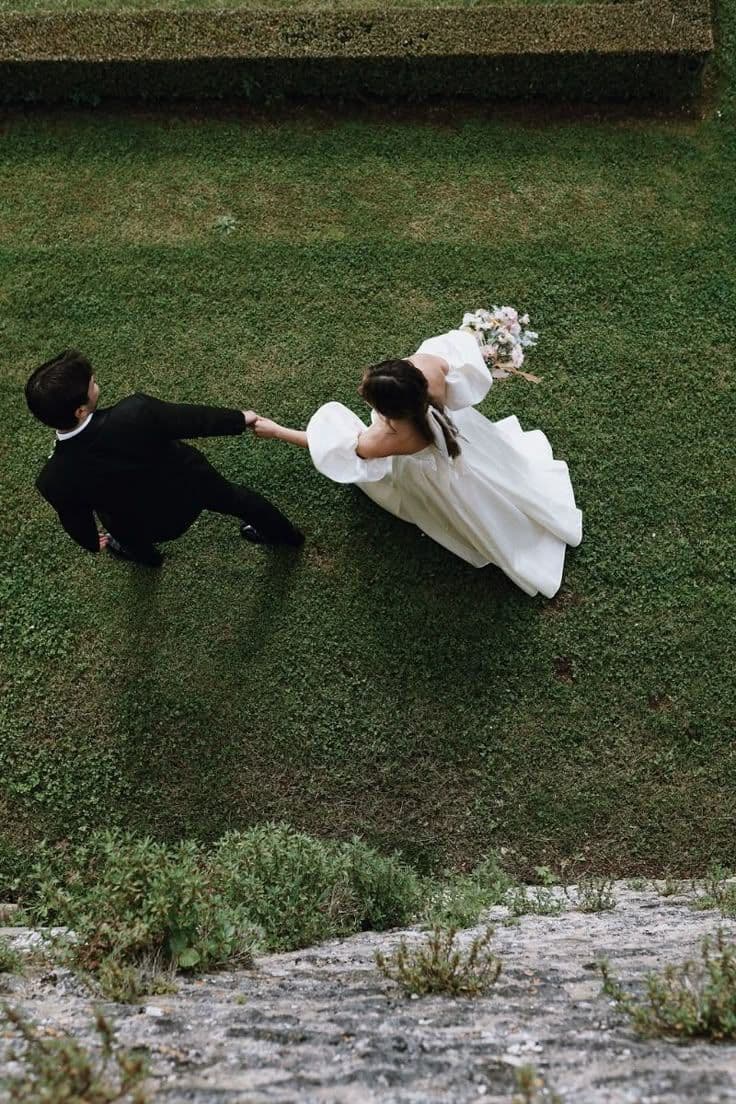
The most valuable thing on any schedule I write is the empty space. Twenty minutes after the ceremony where nothing is planned. A gap before dinner. Couples always want to fill it with one more photo, one more moment squeezed in. I fight for that emptiness harder than anything, because it's where the day actually happens. The unplanned hour is the one they'll describe to me, years later, in detail.
"In fifteen years I've never had a couple wish they'd scheduled more. I've had many wish they'd left room to breathe."
The people you can't see are holding it up
Guests remember the band, the food, the light. What they never see is the second coordinator repinning a bustle in a back corridor, the caterer who reset a table in four minutes, the driver who waited an extra half hour without being asked. Book the invisible people well, treat them well, and the visible parts take care of themselves. A wedding is only ever as calm as its least-seen supplier.
What no one remembers
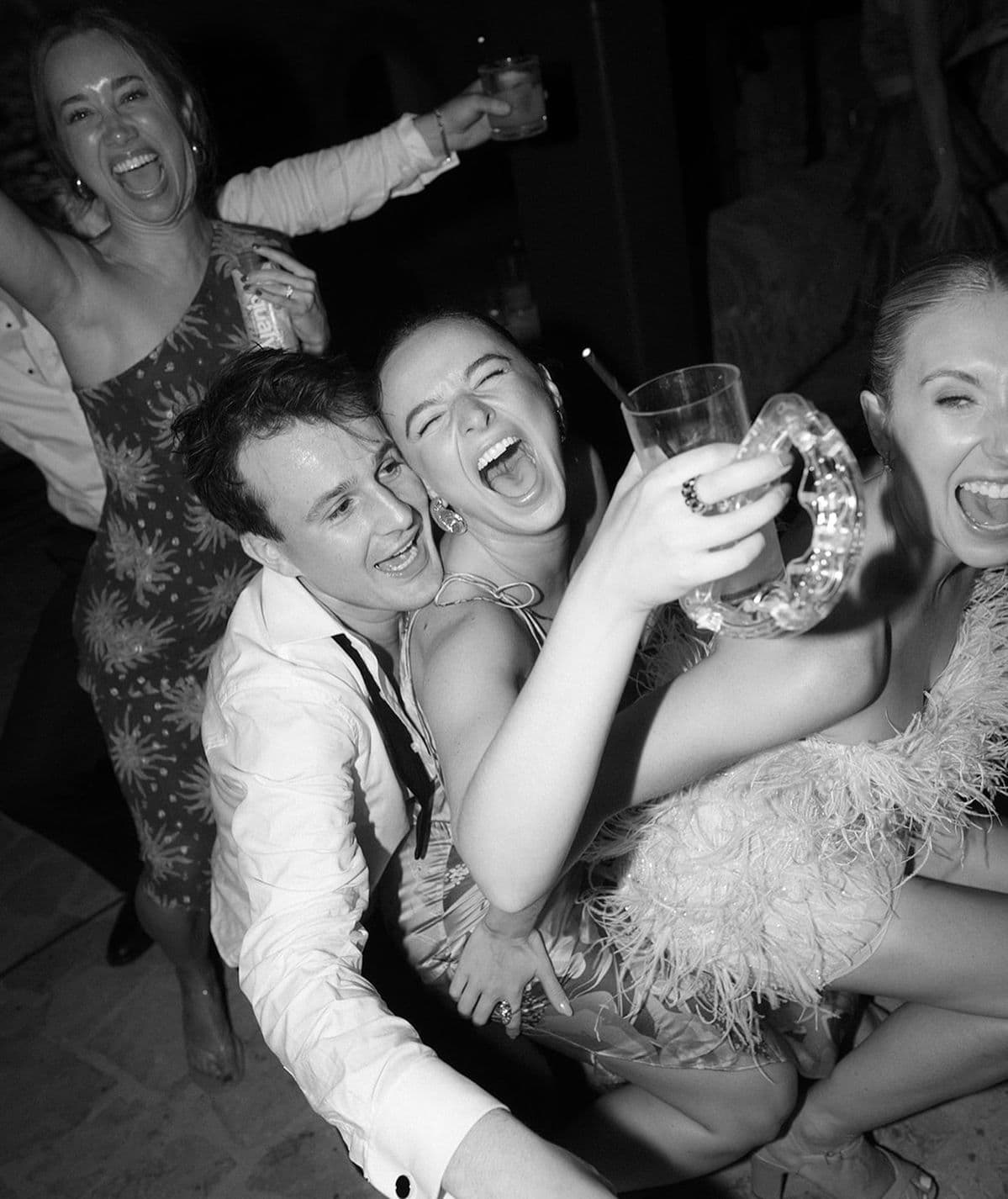
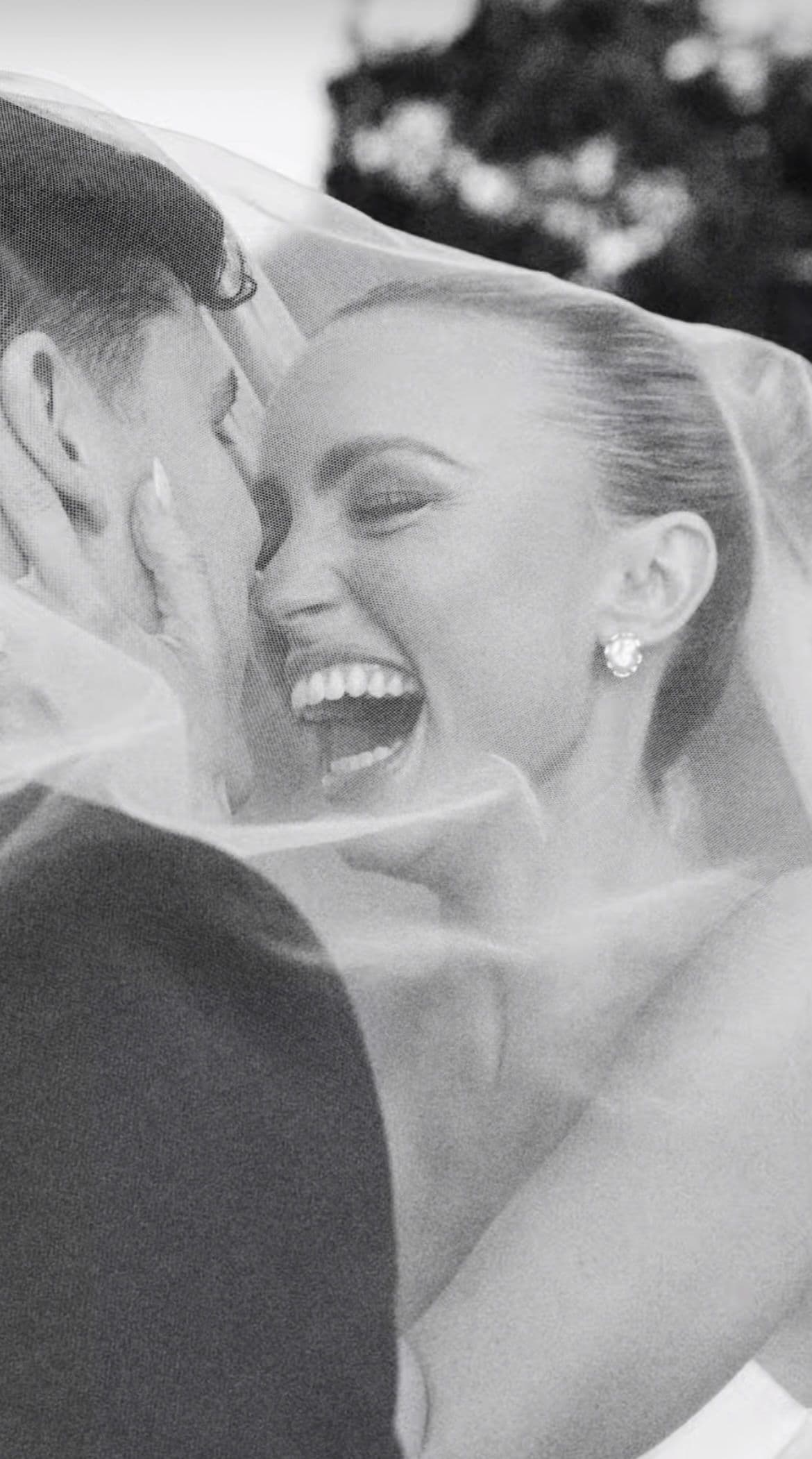
Here is the freeing part, and I tell every couple this in our first meeting. No one will remember the favours. No one will remember whether the napkins were folded or fanned, or that the second flower arrangement never arrived. What they carry home is how the evening felt. Whether they were fed, whether they could hear each other, whether the two of you looked happy. Spend your worry there. Let the rest go.
Fifteen years, five rules
Protect the empty time
Guard the unscheduled gaps harder than the scheduled moments. That's where the day lives.
Feed people, and let them hear each other
Warm food and a room you can talk across beat almost any amount of decoration.
Book the invisible roles first
A coordinator, a good caterer, reliable transport. Calm is built behind the scenes.
Decide once, then stop
Re-opening settled decisions is where stress compounds. Choose, and close the tab.
Assume something will go wrong
It always does, and it never matters. The couples who know this in advance enjoy the day most.
If I could give a couple only one thing after all these years, it wouldn't be a checklist. It would be permission. To plan less than they think they should, and to trust the day to be what it wants to be.
My desk is always open.
— The Edit
Planning your own wedding? Try UNSTAGED free for seven days.
Start free trial