Every couple starts a budget the same way: with one number. The total. It feels like the decision, and it is the easiest part of the whole exercise. The number that actually determines your wedding is never the total. It is how that total is divided, and almost nobody arrives at the first vendor call having decided it.
So the quotes arrive without anything to measure against. A venue quote is just a large number until you know what share of the wedding a venue is allowed to be. That is where couples get lost — not in overspending, but in having no frame to overspend against.
A rough split to start from
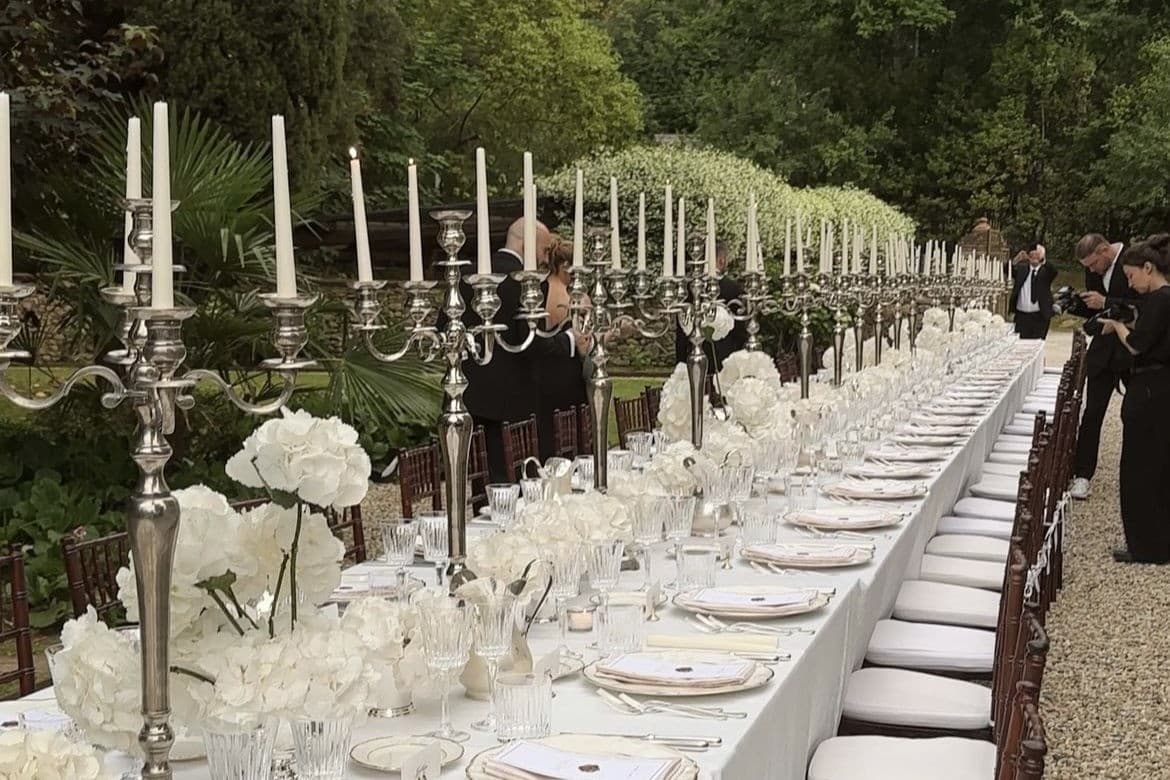
Venue and food, about half
The single largest share, and the one that sets the ceiling for everything else. Decide it first, because every other number bends around it.
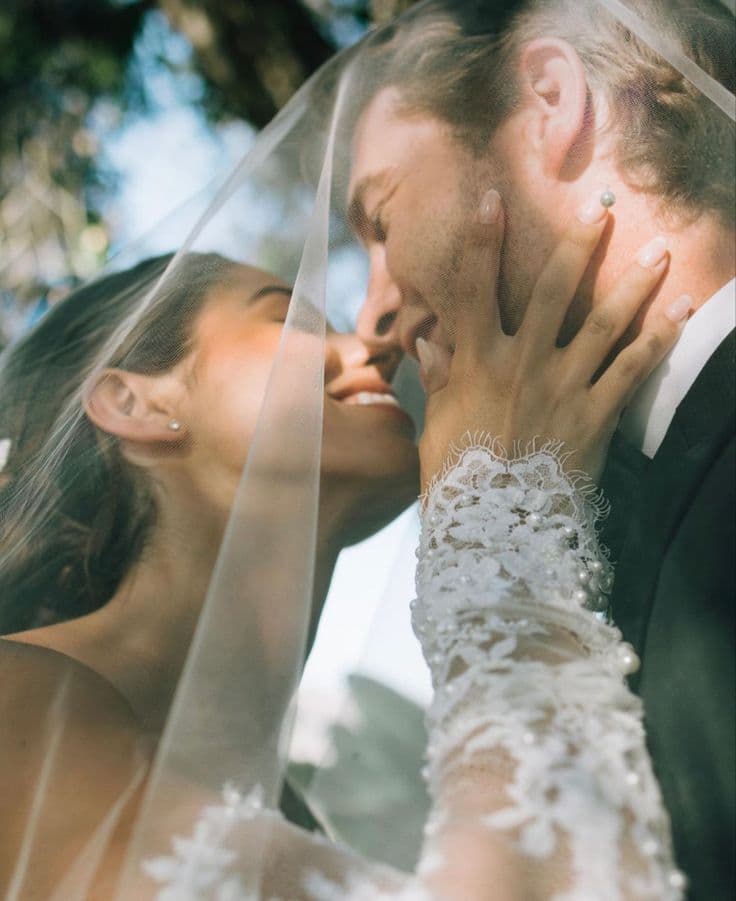
Photo and film, around fifteen percent
The part of the day you keep. Booked early, and rarely the place to save — a wedding is over by midnight, the pictures are not.
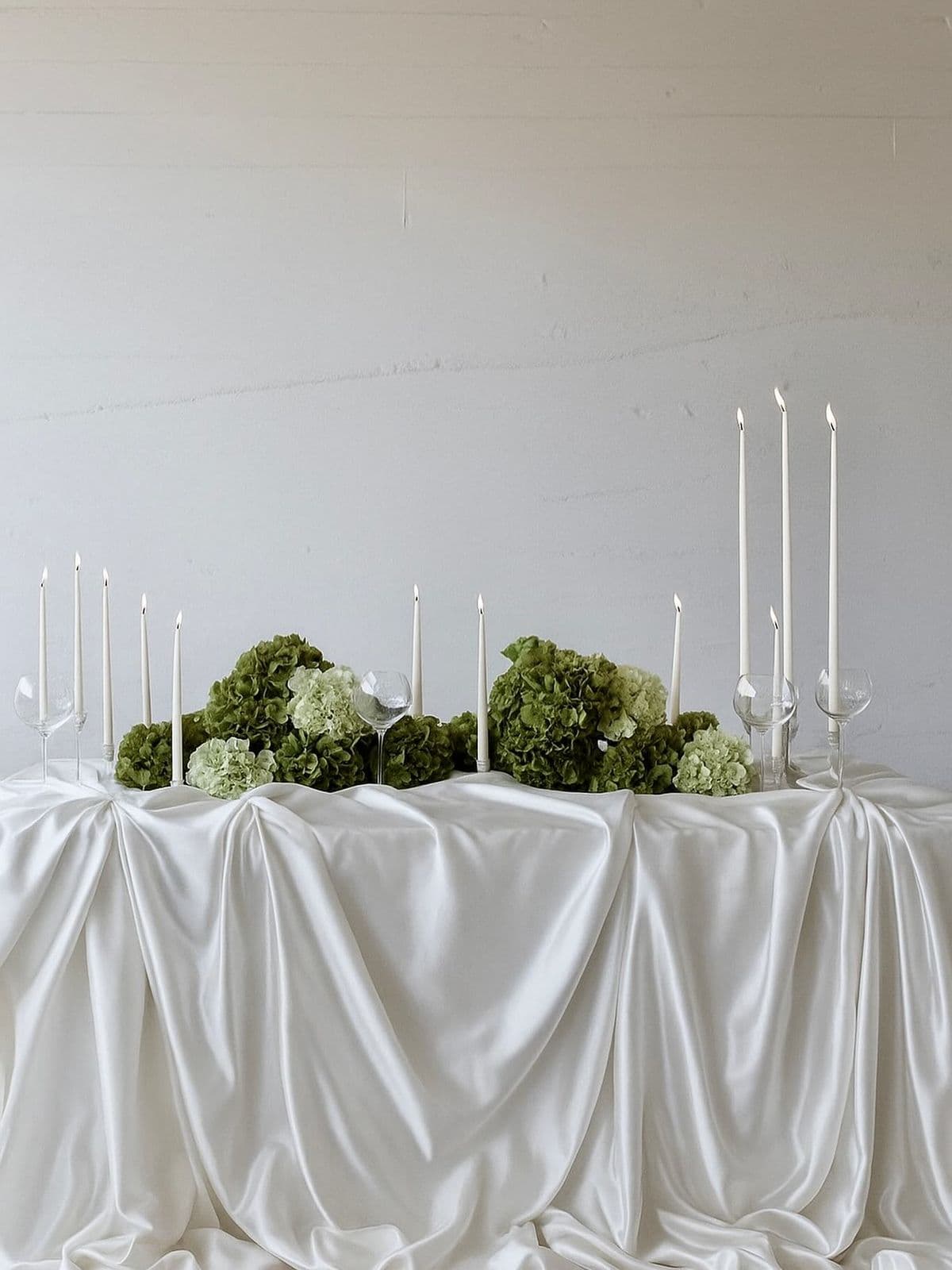
Flowers and design, ten percent
Where a room becomes a scene. It scales up further and faster than any other line, so a fixed share matters here more than most.
Dress, suit and beauty, ten percent
Its own timeline, its own alterations, its own small additions. Budget for the fittings, not only the gown.
Music, paper and rings, the rest
Individually modest, collectively not. This is the group that quietly absorbs whatever is left.
Decide the percentages before the prices. Then every quote has something to measure against, and the conversation changes from "can we afford this" to "is this what we said this part was worth". Those are different questions, and only the second one is answerable.
And watch the small lines. Budgets rarely break on the big number — that one is decided carefully, agonised over, revisited twice. They break on the ten small yeses nobody added up: the extra hour, the upgraded chair, the second round, the late car. Each is nothing. Together they are the overspend.
Set the shares before the first vendor call. Then keep them written down where you both can see them, because the pressure to move a percentage always arrives dressed as a single reasonable exception.
— The UNSTAGED Studio