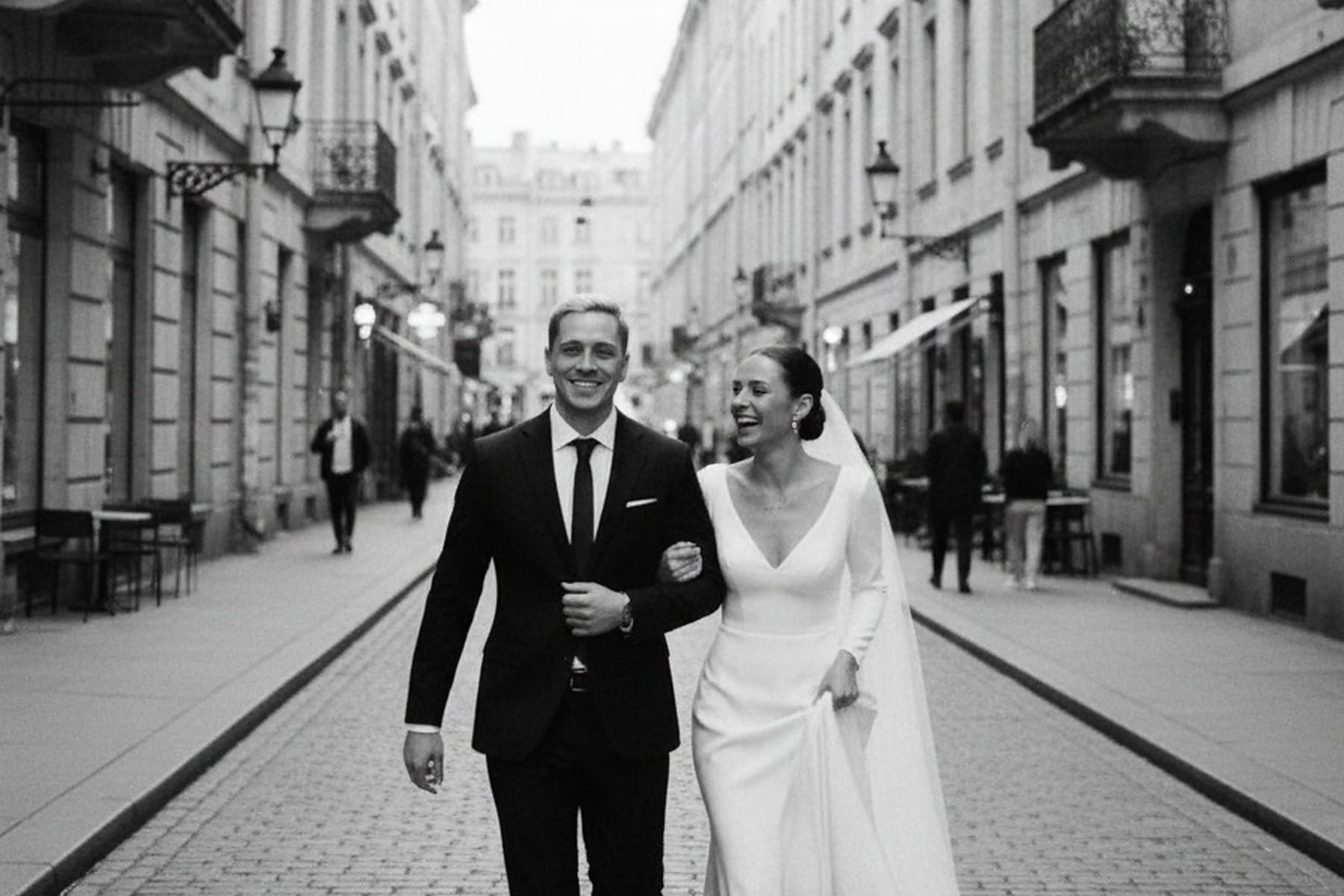

Every other decision in a wedding is downstream of the guest list. The count sets the venue, the venue sets the total, and the total sets everything else. It is also the decision with the most people who feel entitled to a vote. The way through is a method rather than a negotiation: build the list in tiers, agree the rules before the names, and apply the rules to everyone, including the people who will mind.
Build it in three tiers
Before any names are shared with parents
Tier one: cannot imagine the day without them
Immediate family, the people you would call from a hospital. Usually twenty to forty people. This tier is never cut.
Tier two: would be genuinely sad to leave out
Close friends, the family you actually see, the colleagues who are also friends. The tier that decides the size of the wedding.
Tier three: would be nice
Everyone else. Old friends you have not seen in three years, colleagues, the parents' friends, the cousins you met once. This tier is where the cutting happens and where it should.
Count tier one and two. That is the wedding. If the venue and budget can take some of tier three, add from the top of it. If they cannot, tier three does not come, and because the rule is a tier rather than a person, nobody in it was singled out.
Three rules that survive an argument
Agree them first, apply them to everyone
If neither of us has spoken to them in a year, they are not invited
Applied evenly, this cuts more of tier three than any other rule and offends no one, because it is true of everyone it removes.
Plus-ones for anyone married, engaged, living together, or who will know nobody else
Not for everyone. A plus-one rule based on the relationship rather than the guest is defensible; one based on who asked loudest is not.
Children: all of them, none of them, or only family
Pick one and say it on the invitation. The one thing that cannot be done is some friends' children and not others'.
The parents
If parents are contributing, they usually expect some guests, and the fair version is a number rather than a veto: each set of parents gets a fixed count from tier three, chosen by them, and no more. If they are not contributing, the number is smaller, and it is still a number. What does not work is an open-ended list that grows each time you speak.
Cut by rule, never by name. A rule can be explained to anyone. A name cannot.
What a guest actually costs
Take the total and divide it by the count. In most weddings that is a few hundred per person once the venue, the food, the drink, the chair, the invitation and the slice of everything else are included. Then look at tier three again with that number beside each name. It is the fastest cut there is.
Keep the list in one place, shared, with tiers, replies and dietary notes on the same row. UNSTAGED's guest list does this for both of you and feeds the seating plan directly, so the list you cut is the list you seat.
The list is the wedding. Build it in tiers, cut it by rule, and let the venue be the excuse when you need one.
— The UNSTAGED Studio
Planning your own wedding? Try UNSTAGED free for seven days.
Start free trial