Almost nothing about a wedding is compulsory. Two people, a licence, someone authorised to marry you: that is the legal list, and it is short. Everything else — the walk, the party, the cake, the speeches, the order any of it happens in — is convention. Useful convention, often. But convention is a suggestion, and it is worth knowing which parts you actually want before you spend a year and a great deal of money staging them.
The test is simple. For each tradition, ask who it is for. Some are genuinely for you, and those are worth protecting. Some are for the guests, which is a fine reason to keep them. And some are there because they were on a list someone handed you, and nobody in the room particularly wanted them — including you.
Fair game to skip
The wedding party
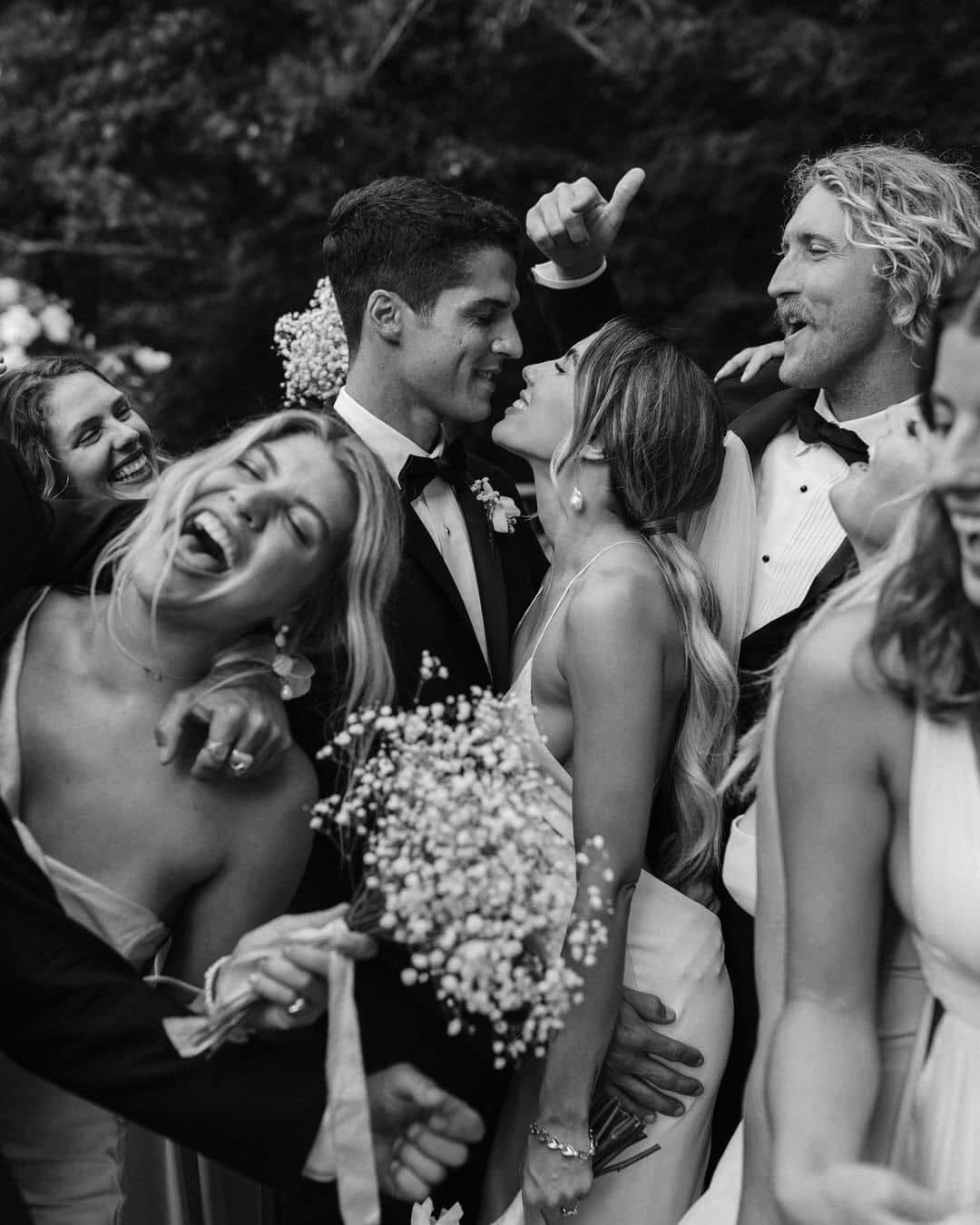
No bridesmaids, no groomsmen, no colour-matched line-up. No proposals, no dresses to fund, no politics over who is in. Your best people are still there — they just do not need a uniform and a title.
The seating chart
Open seating, or assign tables and not seats, and let people find their own. The only rule worth keeping: reserve a few places for the ones who need them, and leave the rest free.
The first dance
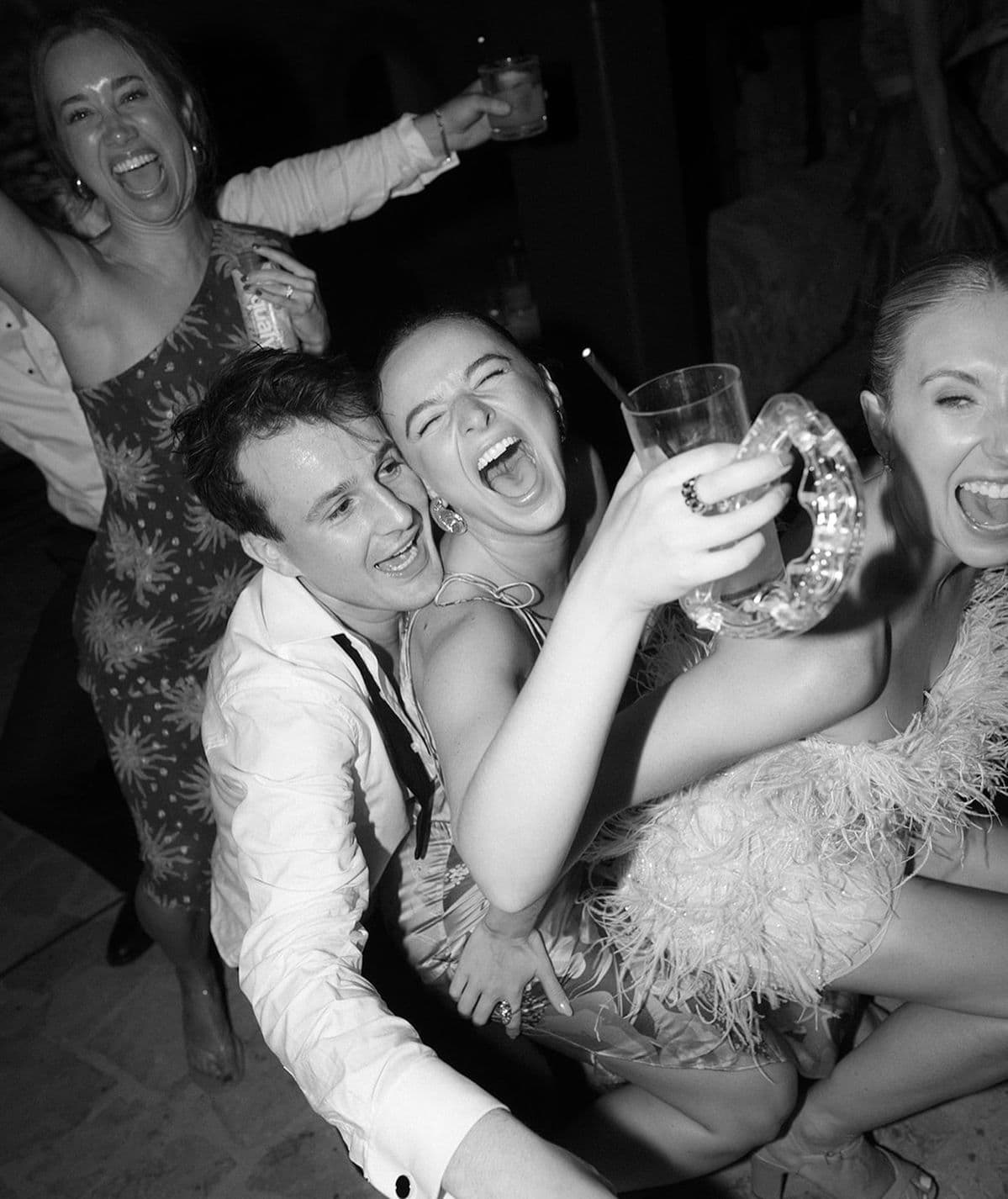
A floor full of people watching two of you do something you have practised is a performance, and performances are optional. Start the music with everyone already on the floor instead.
The cake cutting
You can have a cake without the ceremony around it. Put it out, let people eat it, skip the knife and the crowd and the photograph nobody asked for.
The aisle
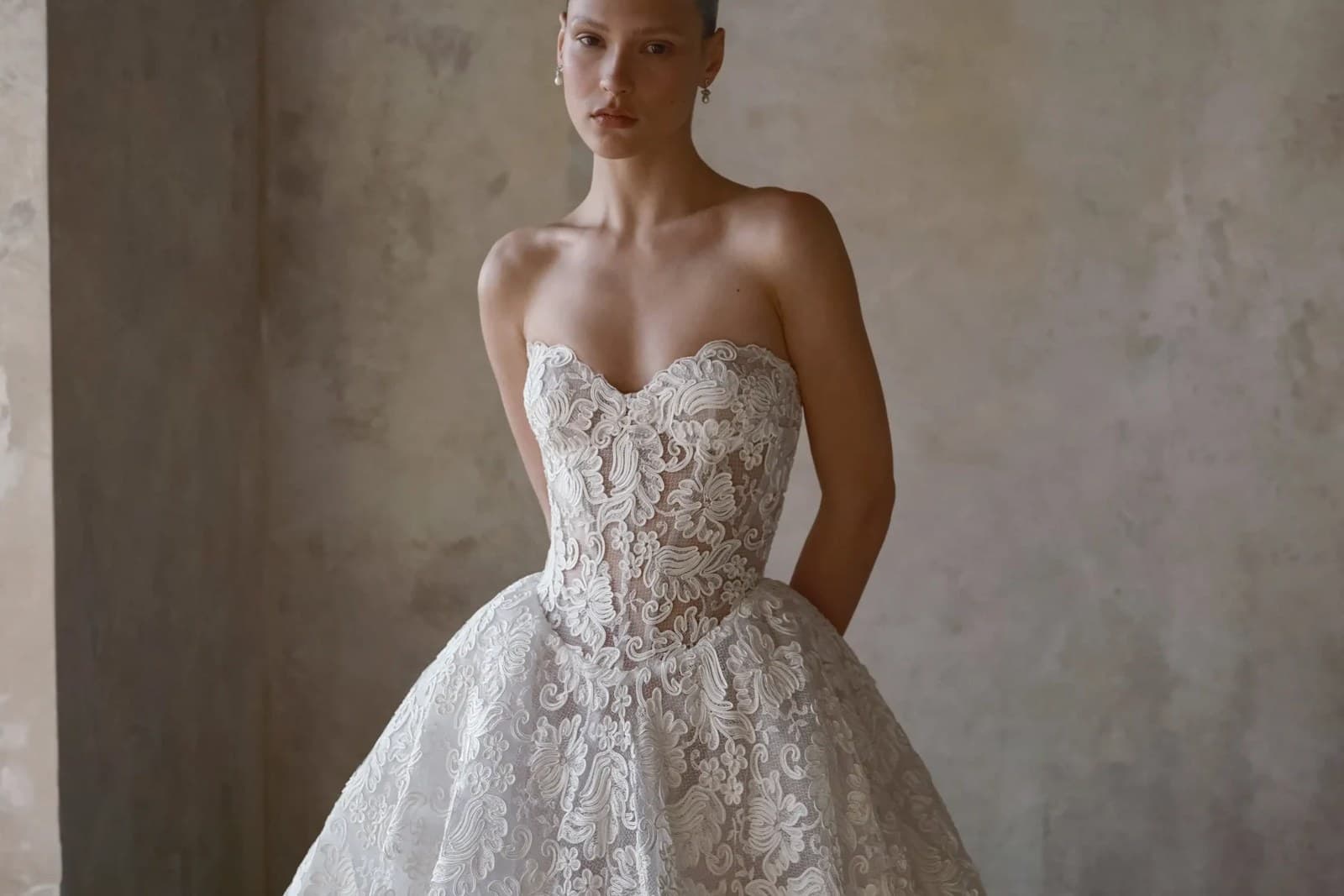
Seat guests in a circle and meet in the middle. No long walk, no being watched from behind. Everyone sees your faces instead of the back of a dress.
The theme
You do not need a word like rustic or boho. Pick things you genuinely love and the through-line will be you. A wedding that looks like a couple, not a category.
Two bigger ones are worth saying out loud, because they change the shape of the whole day rather than one hour of it. You are allowed a tiny wedding: twenty people you love beats two hundred you half-know, and the budget per person stretches to something you would actually want to eat. And you are allowed to separate the two halves entirely — say the real words in private, then throw the party with nothing left to perform.
There is also the matter of when. A Tuesday wedding costs a fraction of a Saturday one, you can have your first choice of nearly everything, and the people who travel for a weekday are the people who genuinely wanted to come. The catch is that there is not really a catch.
None of this is a case for stripping the day bare. Skipping things you do not want is not the same as wanting a smaller wedding. It is how you make room for the parts you do want — the long dinner, the good band, the hour nobody scheduled — instead of spreading the budget thin across a checklist you inherited.
Go through the list once, together, before anything is booked. Keep what you would miss. Let the rest go quietly, and notice that nobody asks about it afterwards.
— The UNSTAGED Studio